
The 72nd Baekje Cultural Festival opened on October 3 in Buyeo, South Chungcheong Province, beginning a nine-day program that runs through October 11 across Buyeo and nearby Gongju. The opening ceremony took place at the main stage near Jeongnimsa Temple and featured a procession marking Baekje’s relocation of its capital to Sabi, a traditional rite, a themed performance, celebratory entertainment and a drone-art show. Baekje was one of the Three Kingdoms of ancient Korea and used Sabi—the historical name for present-day Buyeo—as its capital during the final period of the kingdom. The festival is held every year in Buyeo and Gongju, two cities closely associated with Baekje history.
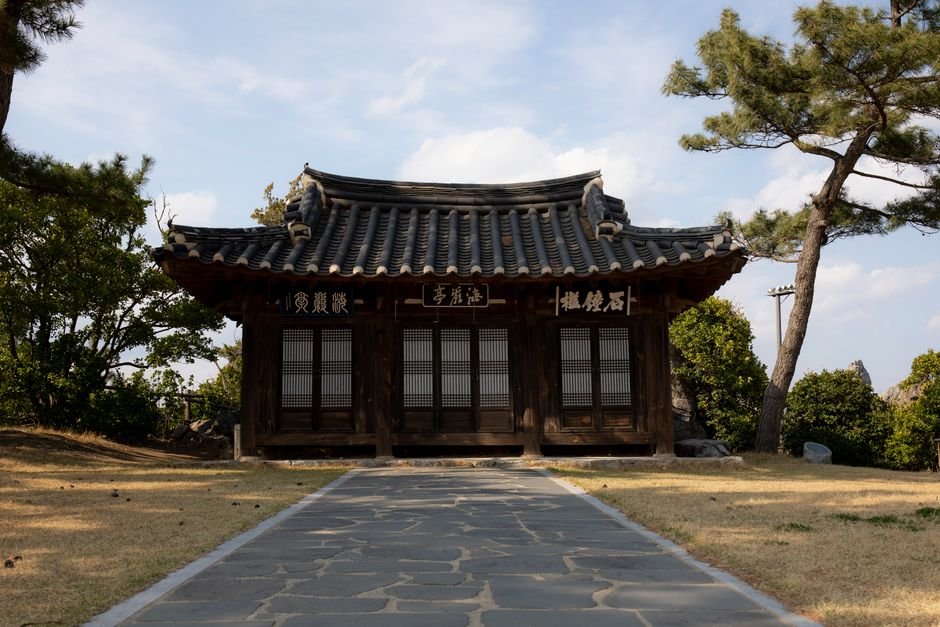
Together with nearby Iksan, the region is known for archaeological sites and monuments included in the Baekje Historic Areas UNESCO World Heritage listing. This year’s Buyeo program is built around the theme “Beautiful Baekje, Shining Sabi.” Events include ceremonial and Buddhist-inspired programs, traditional folk performances, showcases by local artists, a trot concert, international exchange performances, a Baekje performing-arts troupe and a world fusion-instrument concert. Organizers are also presenting activities in central Buyeo, rather than limiting the festival to a single heritage site, with the aim of connecting historical places to the wider town. In Gongju, programs are being staged around Geumgang Singwan Park, Gongsanseong Fortress and the old royal-city area under the theme “Bronze Mirror, Reflecting the Light of Baekje 1,500 Years Ago.” The schedule includes a ceremonial lighting event, the performance “Bronze Mirror,” academic sessions, exhibitions and hands-on activities.
The two-city format highlights the different chapters of Baekje history: Gongju was the kingdom’s capital during the Ungjin period, while Buyeo represents the later Sabi era. Provincial officials said they hope to link the festival more closely with the UNESCO heritage sites in Gongju and Buyeo and develop longer-stay tourism in the region. That approach matters for international visitors because the festival offers more than a stage show: it provides a way to combine performances and contemporary media displays with fortress walks, temple ruins, museums and archaeological landscapes. Visitors planning a trip should note that programs are distributed across several venues and cities, so checking the official schedule and transportation information before arrival is advisable.